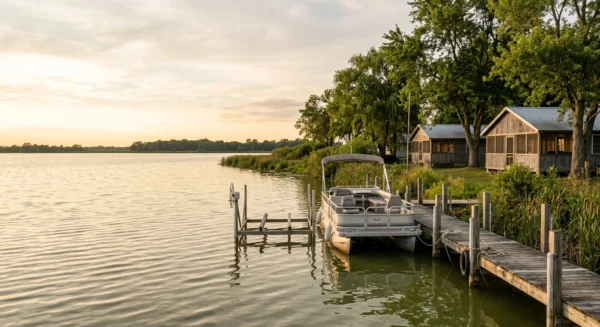
Sustainable fishing Buckeye Lake practices help protect fish populations, water quality, and shoreline habitat. Anglers can make a difference through careful handling, selective harvest, and clean equipment. These habits also keep the lake productive for future fishing trips.
Buckeye Lake supports popular species such as crappie, bluegill, largemouth bass, saugeye, and channel catfish. Conditions and regulations can change throughout the year. Before fishing, check current Ohio Department of Natural Resources rules, license requirements, and consumption advisories.
Sustainable Fishing Buckeye Lake Practices
Responsible fishing starts before the boat leaves the ramp. Pack the right release tools, review harvest limits, and inspect your equipment. A few minutes of preparation can prevent unnecessary fish injuries and reduce waste.
Handle Fish With Care
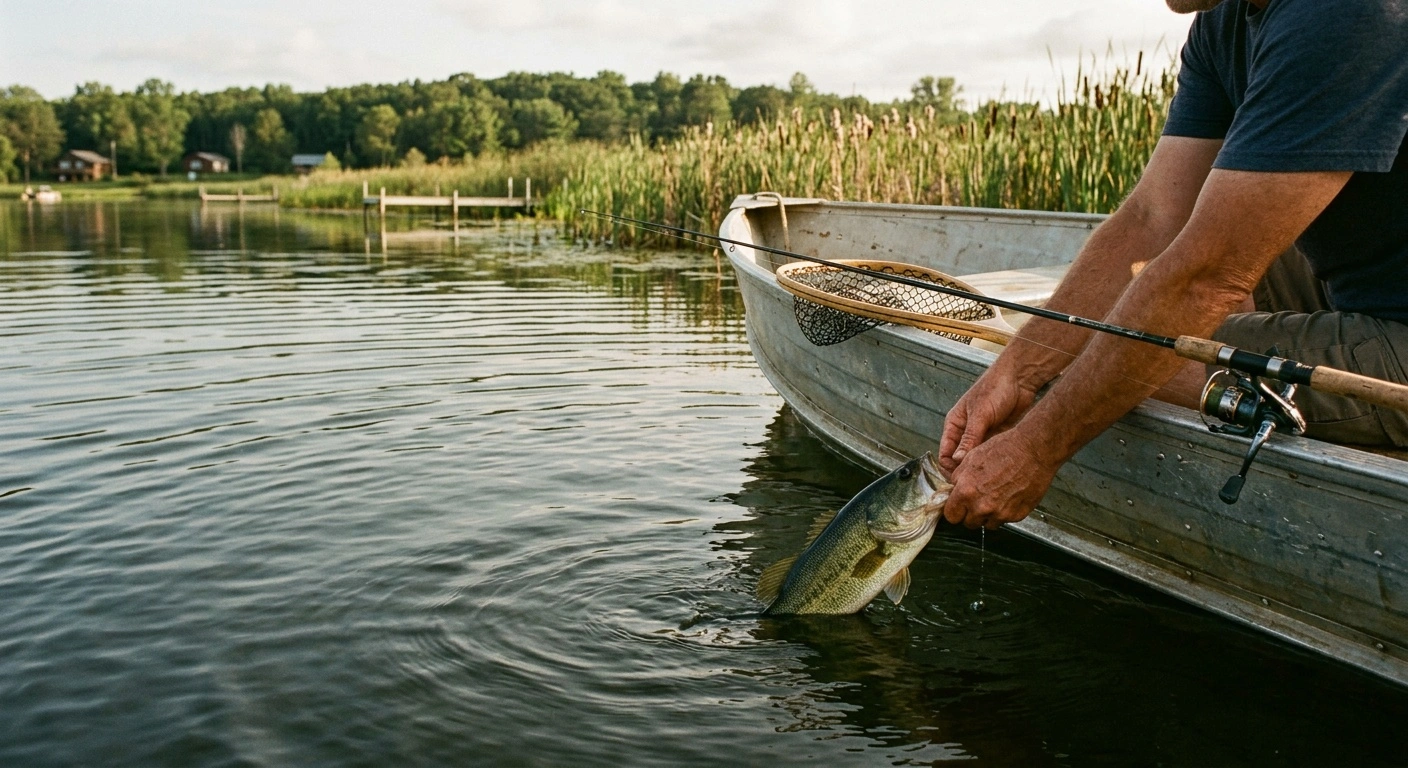
Wet your hands before touching a fish so you do not remove its protective slime. Use a rubber-coated landing net, which causes less damage than traditional knotted mesh. Keep the fish close to the water while removing the hook.
Support larger fish with one hand under the belly and the other near the tail. Never hold a heavy fish by its jaw alone. Take photographs quickly, then return the fish to the water without tossing it.
If a fish cannot swim upright, hold it gently in the water until it moves away on its own. Avoid pulling it backward through the water because that can damage the gills. On hot days, shorten the fight and release fish promptly.
Use Hooks That Reduce Injury
Barbless hooks make removal faster and usually cause less tissue damage. Anglers can flatten a standard hook’s barb with pliers. Circle hooks also reduce deep hooking when fishing with live or cut bait.
Carry long-nose pliers, a hook remover, and line cutters. If a fish swallows a hook deeply, do not tear it out. Cut the line close to the hook and release the fish quickly.
Harvest Fish Selectively
Keeping a legal catch can fit within a responsible fishing plan. However, take only the fish you expect to clean and eat. A full legal limit is an allowance, not a daily target.
Follow all species limits and size restrictions published by the Ohio Department of Natural Resources. Regulations may differ by species or location. Check them again each season instead of relying on last year’s rules.
Many anglers release larger breeding fish and keep smaller legal fish for the table. This approach can preserve strong genetics while still providing a meal. Base each decision on current regulations and the fish’s condition.
Store and Clean the Catch Properly
Place harvested fish on ice as soon as possible. Cold storage protects the meat and reduces waste, especially during summer. Clean each fish promptly after leaving the water.
Dispose of remains through an approved trash or waste system. Do not leave carcasses at ramps, docks, or shoreline access points. Fish remains attract pests and create problems for nearby residents.
Protect Buckeye Lake From Invasive Species
Boats, trailers, bait buckets, and fishing gear can move invasive plants and animals between waterways. Sustainable fishing Buckeye Lake habits include cleaning every item that contacts the water. Pay close attention to propellers, live wells, anchors, and trailer bunks.
Remove visible plants and mud before leaving the launch area. Drain water from the boat and equipment where regulations allow. Dry the gear fully before using it in another lake.
Never release leftover bait into the water. Dispose of it on land or follow instructions from the bait shop. Also, do not move fish between lakes unless Ohio law specifically allows it.
Reduce Tackle and Line Waste
Discarded monofilament can trap fish, birds, and other wildlife. Collect broken line immediately and place it in a recycling container when one is available. Otherwise, cut it into short pieces before putting it in the trash.
Inspect knots and line before each trip. Worn line breaks more easily and leaves hooks or lures in the lake. Regular checks also reduce the chance of losing a fish during the fight.
Consider non-lead sinkers made from steel, tin, tungsten, or bismuth. These options reduce lead loss in the water and surrounding habitat. Choose tackle that matches the depth and current rather than using more weight than necessary.
Respect Shoreline Habitat and Other Lake Users
Shallow cover gives young fish places to feed and avoid predators. Keep boats out of dense vegetation when possible, and avoid dragging anchors through spawning areas. During spring, do not repeatedly target visible bedding fish.
Control your wake near docks, anglers, and natural shoreline. Large wakes can disturb habitat and cause erosion. They also create safety problems for paddlers and people fishing from smaller boats.
Use marked access points instead of cutting through private property or shoreline plants. Pack out food wrappers, bait containers, and other trash. If space allows, collect a few pieces of litter left by others.
Fish With Current Lake Conditions in Mind
Buckeye Lake is relatively shallow, so heat, wind, and heavy boat traffic can change fishing conditions quickly. Warm water places extra stress on fish because it holds less oxygen. During hot periods, use heavier tackle to shorten fights.
Stop catch-and-release fishing if fish struggle to recover. You can switch species, fish during cooler hours, or end the trip early. Responsible anglers adjust their methods instead of forcing a poor bite.
After storms, watch for floating debris and muddy water near shore. Slow down and give other boats extra room. Safe operation protects anglers and reduces damage to equipment and habitat.
Keep Buckeye Lake Productive
Sustainable fishing Buckeye Lake methods rely on simple, repeatable decisions. Handle fish carefully, keep only what you will use, clean your gear, and follow current state rules. These steps support a healthier fishery without making the day complicated.
Conditions on the lake will continue to change with weather, fishing pressure, and habitat management. Check official updates before each trip and adjust your approach at the water. Good fishing depends on attention, restraint, and respect for the lake.