Buckeye Lake wineries are not an established local industry, despite what the search phrase may suggest. The current local directory lists no winery, vineyard, or dedicated wine-tasting room at the lake. Visitors should not expect a trail of tasting stops along the shoreline.
Buckeye Lake’s history centers on water, transportation, recreation, and community life rather than winemaking. The lake draws day-trippers who may visit Ohio wineries during the same trip. That traffic can support Ohio wine sales, but it does not make the lake a wine-producing district.
The approved local directory also lists no wine festival. Come for the water and relaxed lake-town atmosphere. Treat any winery visit as a separate drive that requires its own planning.
Buckeye Lake Wineries: What Is Actually Here?
Buckeye Lake has a modest food-and-drink scene. However, a brewery, waterfront bar, or restaurant is not automatically a winery. Buckeye Lake Brewery produces beer, not wine.
Papa Boo’s, Blue Heron Buckeye Lake, Horvath’s Harbor, and Barrel Bar also contribute to the area’s social scene. None qualifies as a winery. Wine lists and inventory can change, so check current menus before visiting.
Ask directly if you want an Ohio-made bottle or glass. A waterfront setting does not guarantee an extensive wine list or formal tasting service.
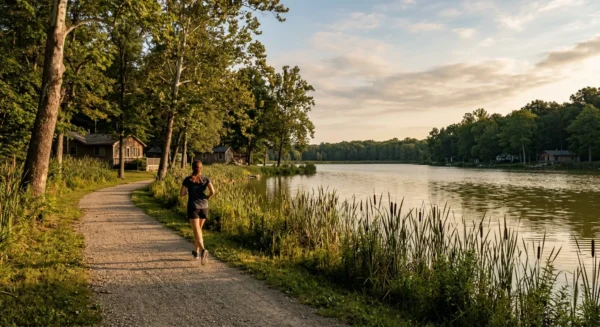
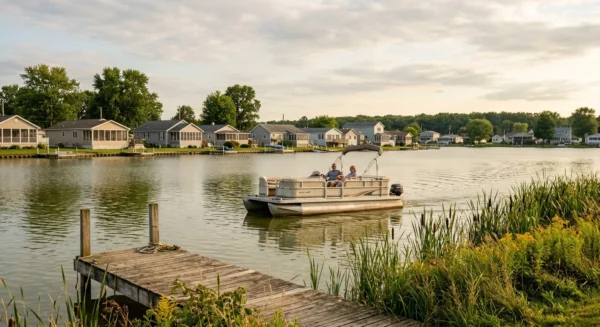
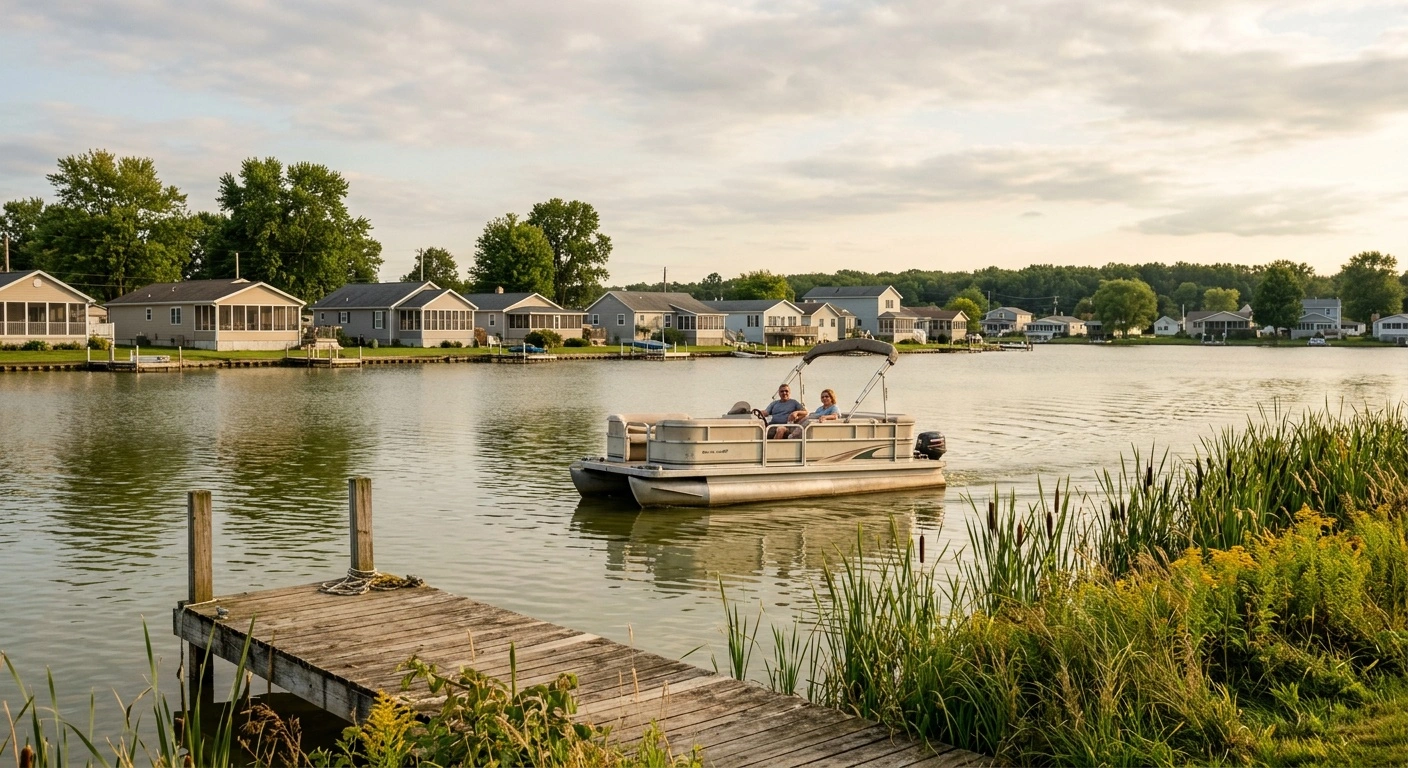
The lake serves as a working recreation community rather than a vineyard resort. Visitors see pontoons, fishing boats, neighborhood bars, and casual patios. They will not find rows of vines or tasting-room tours in the current directory.
That difference reflects the character of the area, not a shortcoming. Use Buckeye Lake as the recreation or lodging portion of a wine-oriented weekend. Plan winery stops elsewhere in Ohio.
Buckeye Lake’s Historical Role
Buckeye Lake began as part of a wetland landscape. Explorer Christopher Gist recorded the area as the Great Swamp in 1751. In 1826, Ohio began impounding the wetland to create a feeder reservoir for the Ohio and Erie Canal.
The reservoir maintained water levels at the canal’s Licking Summit. This function gave the lake an economic role long before modern tourism developed. Ohio renamed it Buckeye Lake in 1894 as the area gained a stronger identity as a recreation destination.
During the twentieth century, recreation became the area’s better-known industry. Buckeye Lake Amusement Park attracted visitors and major big-band acts during the 1940s and 1950s. The park closed in 1970.
Buckeye Lake became a state park in 1949, the year Ohio created the Department of Natural Resources. This history explains the lake’s lasting role as a gathering place. Ohioans have spent their leisure time here for generations.
Today, the lake may help Ohio wine businesses by attracting travelers to the region. Some of those visitors buy products made elsewhere in the state. The historical record does not support claims of commercial grape production at Buckeye Lake.
How Buckeye Lake Can Support Ohio Wine
Wine tourism extends beyond winery property. Travelers buy meals, reserve lodging, purchase fuel, and visit other attractions. Buckeye Lake can serve as one stop within a broader central Ohio itinerary.
The lake sits about 30 miles east of Columbus near Interstate 70 and State Route 79. Newark, Lancaster, and Zanesville also lie within practical driving range. This location makes the lake a convenient meeting point for visitors from central and eastern Ohio.
Ordinary buying decisions offer the most credible support for Ohio wine. Restaurants and retailers can stock state-produced bottles when those products fit their businesses. Visitors can also ask where the wine and its grapes originated.
Cottage guests may buy Ohio wine for dinner if their lodging allows alcohol. Restaurants can introduce travelers to regional beverages by listing them clearly. These small purchases matter more than exaggerated claims about a local wine district.
What the Lake Does Not Add to Wine Production
Buckeye Lake covers about 3,100 acres and has roughly 35 miles of shoreline. A large body of water alone does not create a wine-growing region. Any production claim would need support from verified vineyards, wineries, grape acreage, or processing facilities.
The current local directory lists none of those operations. Buckeye Lake crosses parts of Licking, Fairfield, and Perry counties. A county address would not prove that a producer grows grapes beside the lake.
Likewise, a restaurant should not market a bottle as local lake wine unless its origin supports that description. A nearby retail sale does not establish local production.
Visitors should also examine phrases such as “lake country wine.” Regional wording may not explain where the producer grew the grapes or made the wine. Grape sourcing, fermentation, bottling, and retail sales can occur in different places.
That arrangement does not make a wine inferior. It simply changes its origin story. Direct questions provide better information than decorative labels or vague regional language.
Planning a Lake-and-Wine Day
Separate the lake portion of the day from the wine tasting. Start at Buckeye Lake State Park or a public access point. Allow extra time for boating, fishing, parking, and trailer handling.
This guide includes three named public launch options. They are Liebs Island in Millersport, North Shore in the village of Buckeye Lake, and Fairfield Beach. Summer weekends can bring longer waits at ramps and nearby roads.
Secure the boat before anyone begins drinking. Never taste wine and then operate a boat or tow a trailer.
Before visiting an off-site winery, confirm its address, hours, reservation policy, and drive time. Ask whether it grows grapes or makes wine on the property. Also check its rules for food, children, and dogs.
Designate a sober driver or arrange transportation before the first tasting. Include a full meal instead of relying on tasting snacks. When returning to the lake, check the restaurant’s kitchen hours because they may differ from bar hours.
Pairing Wine Stops With Time on the Water
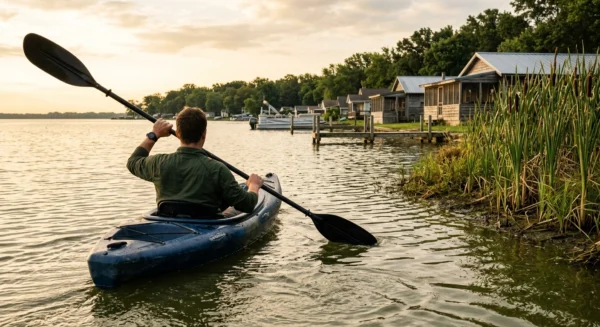
Buckeye Lake allows unlimited-horsepower boating. Pontoons, runabouts, bass boats, kayaks, and paddleboards all use the water. Boaters must follow Ohio registration, safety-equipment, and life-jacket rules.
Most anglers need an Ohio fishing license. Common catches include saugeye, crappie, largemouth bass, bluegill, and channel catfish. Check current fishing rules before casting.
The shallow water usually appears green or green-brown rather than clear. It is not a practical destination for snorkeling or underwater sightseeing. Wind, wakes, and summer traffic can also create difficult conditions for paddlers.
- Location: About 30 miles east of Columbus, with public launches at Liebs Island, North Shore, and Fairfield Beach.
- Best time: Try a weekday morning or a mild day in late spring or early fall. Launch traffic and restaurant waits are often shorter.
- Safety tip: Schedule wine tasting after securing the boat. A sober driver should handle the vehicle and trailer.
Check current Ohio Department of Natural Resources and Ohio EPA advisories before swimming or entering the water. Harmful algal blooms can occur on Ohio’s inland lakes. Conditions may change during the recreation season.
Fairfield Beach distributes its seasonal docks by lottery. Visiting boaters should not assume that an open slip will be available. Confirm docking options before arrival.
For rentals, charters, or guided recreation, the approved directory currently lists only 3XP Tours. Contact the operator to confirm its current services. Careful planning makes a lake-and-wine itinerary workable without suggesting that both activities occur at the same location.
Seasonal Conditions Around Buckeye Lake
A July Saturday feels much different from a September weekday. Midsummer brings more boats, crowded launch ramps, and longer waits at restaurants. Good weather can increase traffic throughout the area.
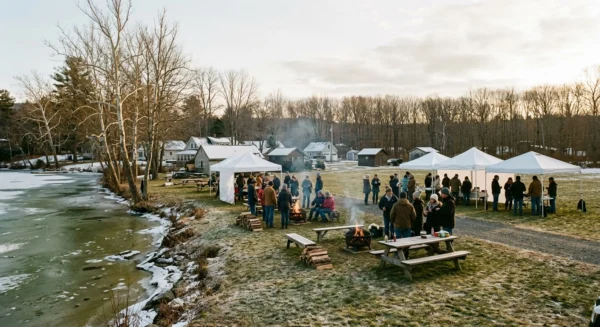
Early fall is often quieter. However, some businesses reduce their hours after the peak recreation season. Winter brings fewer services, and visitors should not assume every patio or kitchen remains open.
Spring can work well for a combined trip, although weather and water temperatures change quickly. Summer provides the widest range of recreation options but requires patience at ramps and parking areas. Fall suits travelers who prefer scenic drives and relaxed meals to swimming.
Winery schedules elsewhere in Ohio also vary by day and season. Confirm every stop separately rather than relying on one online itinerary. Buckeye Lake has several practical food-and-drink options, not a resort schedule filled with tasting rooms.
How to Evaluate “Local Wine” Claims
Ask what a business means when it calls a wine local. The winery may operate nearby, or the producer may have bottled the wine in Ohio. In other cases, the winery may use grapes grown in another state.
Each model can produce legitimate wine. However, the terms are not interchangeable when discussing Buckeye Lake’s role in the industry. Start by asking where the grapes grew.
Next, ask where the producer made and bottled the wine. Those answers provide more useful information than a lake image or regional product name.
Do not confuse retail availability with agricultural production. A bottle sold at a lake restaurant contributes to sales, but it does not prove shoreline origins. Likewise, a private gathering can feature Ohio wine without making the venue a winery.
Precise wording gives the producer and Buckeye Lake proper credit. The lake provides recreation and customers. Verified wineries provide the wine.
The Dam Project and the Visitor Economy
Recent Buckeye Lake commerce cannot be separated from the dam crisis. In 2015, officials found that the earthen dam posed a severe safety risk. The state kept the lake at a low level while crews built a replacement.
Reduced water access hurt businesses that depended on boating and recreation traffic. Crews have since completed the replacement, and normal lake levels have returned. The episode showed how strongly the local economy depends on a functioning recreational lake.
Visitor spending remains important for that reason. Meals, drinks, and overnight stays can support the community even when the main activity occurs on public water. Choosing Ohio-made products may also support producers elsewhere in the state.
The dam project does not belong in a story about vineyard growth or wine production. Its importance lies in restoring the conditions that support the lake’s real recreation economy.
A Realistic Future for Wine Tourism
Buckeye Lake could become a stronger market for Ohio wine without turning into a vineyard district. Restaurants could expand their Ohio selections. Retailers could also label regional bottles more clearly.
Private hosts might feature state-produced wine at dinners and gatherings. These are possibilities, not claims about services that currently exist. Any future winery, tasting event, or wine-focused business would require verification before inclusion in this guide.
The same standard applies to festivals, tours, and transportation providers. Current names, hours, and services matter. Old listings can create wasted drives and unsafe schedules.
For now, Buckeye Lake offers boating, fishing, casual dining, and an important piece of Ohio canal history. Ohio wineries fit into a separate but complementary travel plan. Visitors can support both through responsible spending and careful scheduling.
Where Buckeye Lake Fits in an Ohio Wine Trip
Buckeye Lake contributes to Ohio’s wine industry as a visitor destination and consumer market, not as a production center. The lake brings people together for boating trips, meals, weekends, and cottage stays. Those visits create opportunities to buy Ohio-made products.
Its established history stretches from the Great Swamp and canal reservoir to the amusement park era and state-park recreation. The completed dam replacement also marks an important chapter. Wine can complement a visit without replacing that documented history.
Travelers searching for Buckeye Lake wineries should widen the map and keep the lake as their recreation base. Verify each tasting stop, confirm seasonal hours, and ask where the producer made the wine. Most importantly, appoint a sober driver before the trip begins.
At the lake, follow boating laws and check current water advisories. Use public ramps carefully, especially on busy summer weekends. With a clear itinerary, travelers can enjoy a practical central Ohio day trip built around the place Buckeye Lake actually is.