Buckeye Lake conservation efforts highlight this scenic area in central Ohio as both a natural wonder and a leader in environmental conservation. Buckeye Lake serves as a model for balancing preservation with public enjoyment. Visitors, whether families or adventurers, will find a range of engaging activities that reflect the lake’s dedication to conservation.
The Historical Importance of Buckeye Lake
Buckeye Lake’s conservation efforts are rooted in its rich history. Initially constructed in the 1800s as a reservoir for the Ohio and Erie Canal, Buckeye Lake grew into a key recreational site. Its designation as Ohio’s first state park in 1949 marked the beginning of formal environmental and recreational management.
Understanding this transformation is crucial for appreciating current conservation practices. Historical management changes paved the way for initiatives that balance human interests with nature. Visitors can deepen their connection to conservation by exploring this history at Buckeye Lake.
Current Buckeye Lake Conservation Efforts
A major focus of Buckeye Lake conservation efforts is water quality management. State officials and environmental groups diligently monitor and preserve the lake’s water quality. Efforts to reduce pollutants and manage runoff play a vital role in sustaining the lake’s ecosystem.
Restoring natural shorelines with native vegetation prevents erosion and enhances aquatic habitats. Buckeye Lake acts as a testing ground for innovative ecosystem management, including shoreline restoration and wetland creation. These strategies ensure ecological health and provide enjoyment for future generations.
Family-Friendly Experiences at Buckeye Lake
Buckeye Lake’s conservation initiatives create a family-friendly environment rich with learning opportunities. Buckeye Lake State Park offers educational programs and nature tours to teach both children and adults about local wildlife and conservation techniques.
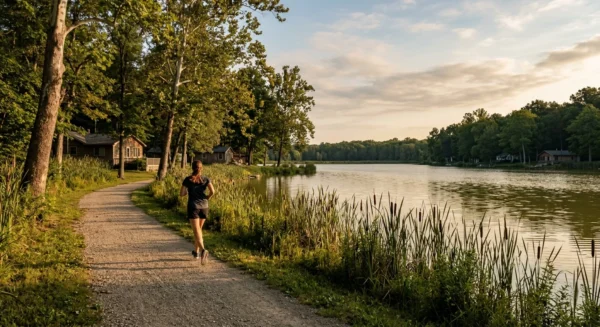
The Buckeye Lake Nature Trail, a 4.1-mile path, winds through landscapes teeming with Ohio’s native flora and fauna. It’s ideal for young explorers, with areas for bird watching, quiet reflection, and family picnics.
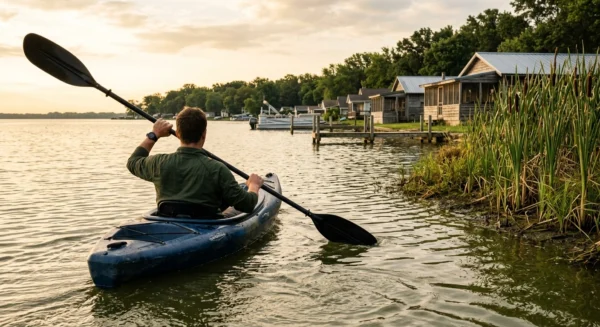
Kayaking and paddling offer close encounters with conservation areas. Rentals make it easy for families to actively engage with the lake’s beauty.
Exploring Cultural Sites and Historical Venues
Experience Buckeye Lake’s cultural heritage by visiting nearby attractions that narrate its history. The Buckeye Lake Historical Society Museum showcases exhibits on the lake’s transformation and its impact on regional conservation.
The Cranberry Bog State Nature Preserve is another highlight. Formed when the lake developed, it’s a geological marvel with a unique bog ecosystem. Seasonal guided tours offer insights into its significance in conservation.
Adventure Activities Around Buckeye Lake
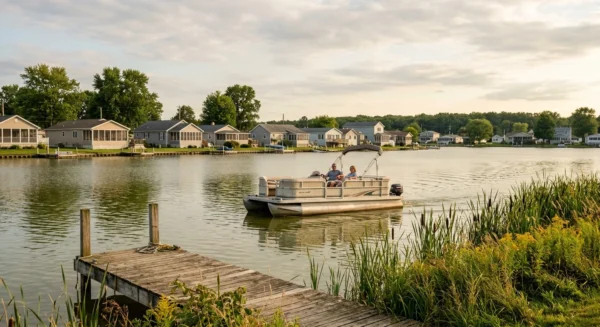
Conservation efforts have bolstered the area’s appeal for adventure enthusiasts. Sailing and fishing thrive thanks to well-managed natural habitats. Cyclists can explore bike trails like the Buckeye Scenic Trail, which connects nature lovers with conservation sites.
Local festivals, often organized with conservation groups, offer thrilling experiences while highlighting ecotourism. The annual Rockin’ the Dock festival celebrates the lake and promotes conservation awareness.
Insider Tips for A Unique Visit
Gain a deeper understanding of conservation by participating in volunteer days organized by groups like Friends of Buckeye Lake. These events let tourists and locals contribute directly to preserving the lake’s environment.
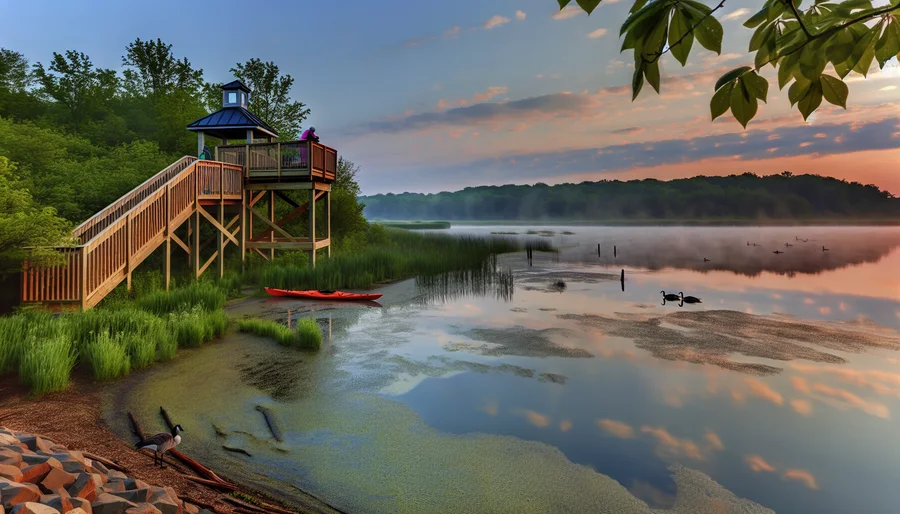
A sunrise paddle on the lake offers a tranquil view and the chance to spot local wildlife. Check local rental services for early morning options.
After a day of exploring, relax at Buckeye Lake Brewery, which emphasizes sustainable practices and celebrates local resources. This combines community involvement with environmental mindfulness.
Buckeye Lake’s diverse conservation projects and activities create a welcoming space for eco-conscious tourists and nature enthusiasts. The area’s commitment to sustainability provides enriching educational and recreational experiences for all types of explorers.